


Choosing the Right Composite floor Exporter for Your Project
Finding a reliable Composite floor Exporter is essential for ensuring the longevity and aesthetic appeal of any modern architectural project. Whether you are designing a luxury residential deck or a high-traffic commercial walkway, the quality of the composite materials determines the maintenance cost and overall lifespan of the structure. Composite flooring has revolutionized the construction industry by offering the warmth of wood with the durability of advanced polymers. In this guide, we will explore how to identify a top-tier exporter and what technical specifications you should prioritize to get the best return on your investment.
The Advantages of Sourcing from a Professional Composite floor Exporter
Partnering with an experienced Composite floor Exporter provides more than just a product; it provides peace of mind through quality assurance and logistics expertise. Professional exporters ensure that the wood-plastic composite (WPC) meets international standards for UV resistance, slip resistance, and load-bearing capacity. By sourcing directly, developers can reduce costs and access the latest innovations in co-extrusion technology, which adds a protective shield around each board. This prevents staining and fading, making the flooring nearly maintenance-free compared to traditional hardwood.
Industry Insight: Co-extruded composite flooring is currently the gold standard in the export market, offering superior resistance to scratches and moisture compared to first-generation WPC products.
Evaluating Quality Standards in Composite Flooring
When evaluating a potential supplier, it is critical to look beyond the price tag. A reputable Composite floor Exporter will provide comprehensive data sheets and certifications. Key metrics include the ratio of wood fiber to plastic, the type of bonding agents used, and the density of the board. High-density boards are less prone to warping and sagging, which is vital for outdoor installations exposed to extreme temperature fluctuations. Ensuring that the materials are eco-friendly and recycled also aligns your project with modern sustainability goals.
Composite floor Exporter: Product Comparison and Specs
To help you make an informed decision, we have compared the two most common types of composite flooring offered by a leading Composite floor Exporter. Understanding the difference between Capped (Co-extruded) and Uncapped composite boards is essential for choosing the right material for your specific environment.
Feature | Capped Composite (Co-extruded) | Uncapped Composite (WPC) |
Surface Protection | High-density polymer shield | Direct material exposure |
Fade Resistance | Excellent (UV Stabilized) | Moderate (Natural weathering) |
Stain Resistance | Very High (Non-porous) | Medium (Porous surface) |
Maintenance | Low (Soap & Water) | Moderate (Occasional sealing) |
Global Logistics and the Role of a Composite floor Exporter
The logistics of transporting heavy building materials across borders require precision. A skilled Composite floor Exporter manages everything from specialized packaging to prevent warping during transit to navigating customs regulations. Proper palletizing and moisture-controlled shipping containers are essential to ensure that the boards arrive in perfect condition. By optimizing shipping routes and container loads, exporters can significantly reduce the landed cost of the material for the end buyer.
Customization and Versatility in Composite Flooring
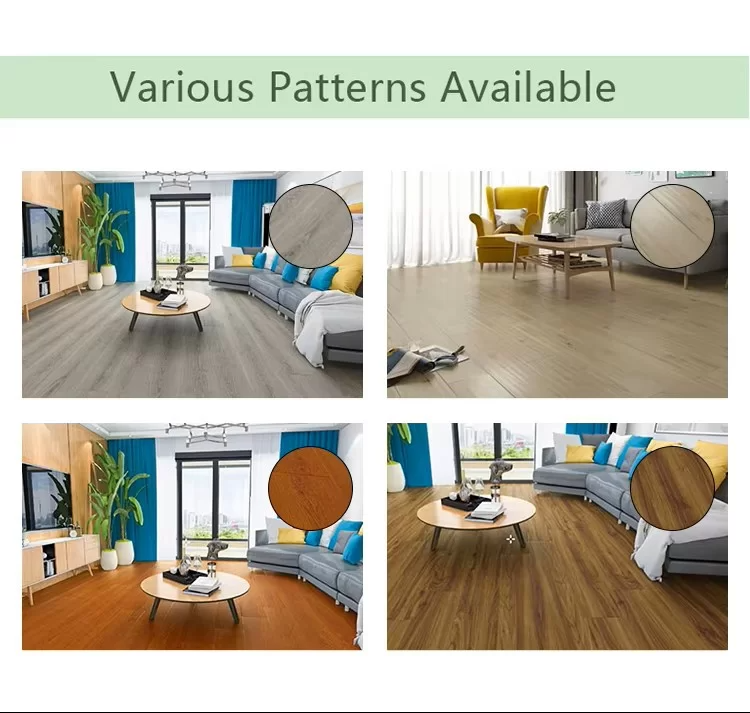
Modern architectural trends demand versatility. A top-tier Composite floor Exporter offers a wide array of colors, textures, and profiles. From deep mahogany tones to contemporary slate greys, the ability to customize the look allows designers to match the flooring with the surrounding environment. Furthermore, the introduction of hidden fastening systems has eliminated the need for visible screws, creating a seamless, high-end look that mimics natural wood while providing industrial-strength durability.
Technical Specifications for High-Performance Flooring
To ensure the structural integrity of your installation, always review the technical specifications provided by your Composite floor Exporter. Pay close attention to the linear expansion coefficient, as composite materials expand and contract more than traditional wood. Proper spacing and the use of high-quality clips are mandatory for a successful installation. Below is a typical specification table for professional-grade composite decking:
Specification Item | Industrial Standard Value |
Material Composition | 60% Wood Fiber, 30% HDPE, 10% Additives |
Water Absorption Rate | < 0.5% |
Flexural Strength | ≥ 25 MPa |
Service Life | 15 - 25 Years |
Conclusion: Partnering with a Leading Composite floor Exporter
Investing in composite flooring is a strategic decision that blends aesthetics with extreme durability. By choosing a professional Composite floor Exporter, you ensure that your project benefits from the highest material standards, efficient global logistics, and cutting-edge design options. Our comprehensive Composite floor Service supports you at every stage, from reducing long-term maintenance to enhancing property value, ensuring that the right composite solution transforms ordinary spaces into extraordinary environments. Trust the experts to provide the foundation your vision deserves.