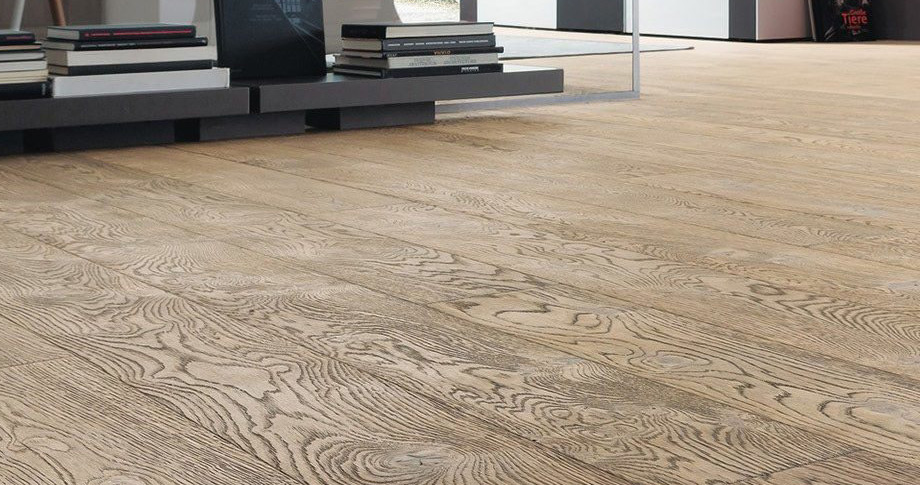
Premium eco-friendly flooring and sustainable home solutions. We combine elegant design with carbon-neutral materials to create a healthy, natural living space for your family.
Stay updated with the latest trends in eco-friendly flooring
and sustainable home living tips.

Selecting the right surface for high-moisture environments is a critical decision for any homeowner or commercial developer. bathroom vinyl flooring has emerged as a leading solution, blending the aesthetic appeal of natural materials with the uncompromising performance of synthetic polymers. Unlike traditional ceramics or hardwoods, these advanced materials are engineered to withstand constant humidity and water splashes without compromising structural integrity.
Globally, the shift toward resilient flooring is driven by a need for lower maintenance and increased hygiene standards. In an era where wellness-centric design is paramount, the ability to create a seamless, waterproof environment in the bathroom not only enhances the visual appeal of a home but also prevents long-term structural damage caused by water seepage. The versatility of modern vinyl allows it to mimic marble, slate, or oak, providing a high-end look with industrial-grade durability.
Understanding the nuances of bathroom vinyl flooring—from the differences between LVP and LVT to the importance of wear layers—empowers users to make an informed investment. By prioritizing materials that meet international safety and environmental standards, consumers can ensure a living space that is safe, sustainable, and timelessly elegant.
The global flooring market has seen a dramatic pivot toward synthetic waterproof materials, with bathroom vinyl flooring leading the surge in residential renovations. According to industry trends aligned with ISO quality standards, there is an increasing demand for "healthy homes," which prioritizes non-toxic, PVC-free, or low-VOC (Volatile Organic Compound) materials. This shift is particularly evident in urban centers across North America and Europe, where fast-paced lifestyles demand flooring that is quick to install and nearly impossible to damage.
One of the primary challenges in bathroom design has always been the "water-leakage paradox"—the struggle to find a material that looks luxurious but does not warp or rot when exposed to constant moisture. Traditional tiles often suffer from grout failure, leading to sub-floor rot and mold growth. Modern vinyl solutions solve this by providing a non-porous barrier that completely seals the floor, effectively eliminating the risk of moisture penetration and reducing the long-term cost of home maintenance.
At its core, bathroom vinyl flooring is a synthetic flooring material composed of polyvinyl chloride (PVC) or advanced bio-polymers, engineered specifically for moisture-heavy zones. Unlike general-purpose vinyl, bathroom-grade options feature enhanced slip-resistance coatings and specialized backing layers that prevent water from seeping through the seams. This makes it an essential component of modern interior architecture, particularly in high-traffic residential and commercial wet rooms.
From an industrial perspective, this material represents a fusion of chemical engineering and aesthetic design. The industry has evolved from the thin, peel-and-stick sheets of the past to Luxury Vinyl Plank (LVP) and Luxury Vinyl Tile (LVT). These modern iterations use a rigid core—often Stone Plastic Composite (SPC)—to ensure that the floor remains stable across varying temperatures, which is critical in bathrooms where steam from showers can cause lesser materials to expand and contract.
The humanitarian and practical connection lies in accessibility and hygiene. For aging populations or those with limited mobility, vinyl offers a softer, more forgiving surface than ceramic tile, reducing the impact of falls. Furthermore, the seamless nature of high-quality vinyl prevents the accumulation of bacteria and mold in grout lines, promoting a healthier living environment for families and healthcare facilities alike.
The effectiveness of bathroom vinyl flooring depends heavily on its layering. The top wear layer is the most critical, acting as the primary defense against scratches and chemical stains from cleaning agents. A thicker wear layer (measured in mils) ensures that the floor maintains its appearance even in households with pets or high foot traffic, preventing the "wearing down" of the printed pattern over time.
The core layer provides the structural backbone. In premium bathroom vinyl flooring, a Stone Plastic Composite (SPC) core is utilized, which blends limestone powder with stabilizers. This creates a waterproof, dense board that resists indentation from heavy bathroom vanities and ensures that the floor remains flat and stable, regardless of the humidity levels in the room.
Finally, the underlayment or backing layer focuses on comfort and sound insulation. Many modern vinyl floors come with an attached acoustic pad, which reduces the echoing sound common in tiled bathrooms. This integrated layer also provides a slight cushion, making the floor warmer and more comfortable underfoot—a significant upgrade over the cold, harsh feel of traditional stone or ceramic surfaces.
When evaluating bathroom vinyl flooring against other materials, the metrics usually center on water resistance, installation speed, and cost-to-lifespan ratio. Vinyl consistently outperforms hardwood in moisture zones and offers a faster installation timeline than ceramic tiles, as it often utilizes a click-lock system that requires no mortar or grout.
From a commercial standpoint, the efficiency of vinyl is measured by its downtime. In hotel or hospital renovations, the ability to lay a waterproof floor over an existing surface without demolition saves thousands of dollars in labor and minimizes service interruptions.
The application of bathroom vinyl flooring extends far beyond the typical residential master bath. In high-humidity regions like Southeast Asia and coastal South America, these floors are preferred for their ability to resist fungal growth in tropical climates. Architects in these regions often specify SPC vinyl to prevent the warping common with local timber or low-grade laminates.
In specialized industrial contexts, such as modular housing for disaster relief or remote mining camps, vinyl is the gold standard. Its lightweight nature allows for rapid transport, while its durability ensures that temporary bathroom facilities remain sanitary and water-tight under extreme usage conditions. Similarly, in the hospitality sector, luxury resorts utilize high-end LVT to provide the appearance of exotic hardwoods in bathrooms without the risk of rot.
The long-term value of investing in bathroom vinyl flooring is rooted in its lifecycle cost. While the initial investment may be comparable to mid-range tile, the absence of grout maintenance and the ease of replacement (for click-lock systems) significantly lower the total cost of ownership over a 10-to-20-year period.
From a sustainability perspective, the industry is moving toward circular economy models. Many manufacturers now offer recyclable vinyl products and utilize reclaimed plastics in the core layers. By reducing the need for water-intensive quarrying associated with stone and ceramic production, vinyl provides a more eco-friendly commercial flooring for large-scale developments.
Beyond the financial and environmental logic, there is an emotional value associated with safety and trust. A non-slip, waterproof floor provides peace of mind for parents with toddlers and caregivers for the elderly, transforming the bathroom from a high-risk area for accidents into a safe, serene space of relaxation.
The future of bathroom vinyl flooring is being shaped by digital transformation and material science. We are seeing the rise of "smart flooring" integrated with moisture sensors that can detect sub-floor leaks before they become catastrophic, sending alerts to a homeowner's smartphone. This integration of IoT (Internet of Things) into flooring represents a leap toward proactive home maintenance.
Furthermore, the shift toward bio-based polymers is accelerating. New research into algae-based plastics and natural resins is paving the way for 100% biodegradable yet fully waterproof flooring. This will eliminate the environmental concerns associated with PVC while maintaining the high-performance standards required for bathroom environments.
Automation in manufacturing, such as 3D-printed textures, is also allowing for unprecedented realism. Future vinyl floors will not just look like wood or stone; they will possess the exact tactile feel and thermal properties of those materials, blurring the line between synthetic efficiency and natural beauty.
Technology Type | Waterproof Level | Eco-Sustainability | Estimated Lifespan |
Standard LVT | High | Moderate | 10-15 Years |
Rigid Core SPC | Absolute | High | 20-25 Years |
Bio-Polymer Vinyl | High | Excellent | 15-20 Years |
Smart-Sensor Vinyl | Absolute | Moderate | 15-20 Years |
WPC (Wood Plastic) | High | Moderate | 10-15 Years |
Hybrid Nano-Vinyl | Absolute | High | 25+ Years |
Is bathroom vinyl flooring truly 100% waterproof?
Yes, most modern SPC (Stone Plastic Composite) and LVT (Luxury Vinyl Tile) options are 100% waterproof. Unlike laminate, which can swell at the seams, these materials are non-porous. However, it is important to ensure proper installation and sealing around the edges of the room to prevent water from leaking underneath the flooring into the subfloor.
How does vinyl compare to ceramic tile for bathrooms?
Can I install vinyl flooring over my existing bathroom tiles?
Will vinyl flooring peel or bubble in a steamy bathroom?
Is vinyl flooring eco-friendly and safe for children?
How do I clean and maintain my bathroom vinyl floor?
In summary, bathroom vinyl flooring represents the ideal intersection of luxury, practicality, and engineering. By solving the age-old problems of water infiltration, mold growth, and high maintenance costs, it has become a cornerstone of modern interior design. Whether through the structural rigidity of SPC or the aesthetic versatility of LVT, this material provides a durable, safe, and visually stunning foundation for any bathroom.
Looking forward, the integration of sustainable bio-polymers and smart-home technology will only enhance the value proposition of vinyl flooring. For those seeking to upgrade their living spaces, the transition to high-performance vinyl is not just a design choice, but a strategic investment in the longevity and health of the home. To explore our full range of premium flooring solutions, visit our website: www.enliosport.com.

Stay informed about our latest sustainable products
and eco-friendly industry news.

Triethylenediamine: A Subtle Yet Powerful Chemical in Modern Industry
At first glance, triethylenediamine might sound like a term more suited to a chemistry textbook than a conversation. But, oddly enough, this chemical has quietly become a crucial player in fields ranging from plastics manufacturing to pharmaceuticals. Globally, understanding triethylenediamine and its applications isn’t just academic; it impacts industries that power economies and shape modern life.
Why does this matter? Because triethylenediamine—often called TEDA—enables the creation of materials and compounds that are more efficient, scalable, and sustainable. And in a world where innovation drives progress, knowing the nuts and bolts of such compounds can pave the way to smarter industrial decisions.
Globally, industries that rely on catalysts and chemical accelerators are booming. For instance, the worldwide plastics market (which triethylenediamine feeds into indirectly) is expected to grow at a CAGR of about 3.5% through 2030 according to UNEP reports. Plus, with ISO standards tightening around chemical safety and environmental impact, manufacturers are under pressure to use precursors and catalyzers responsibly.
Triethylenediamine addresses several challenges facing chemical manufacturers and end-use industries: it enhances reaction efficiency, reduces the need for harsh chemicals, and supports safer processing. That might seem niche, but the ripple effect reaches diverse sectors – including construction, agriculture, and even healthcare.
Mini Takeaway: Triethylenediamine isn't just a chemical name; it’s a global facilitator for enhanced production, sustainability, and compliance in multiple booming industries.
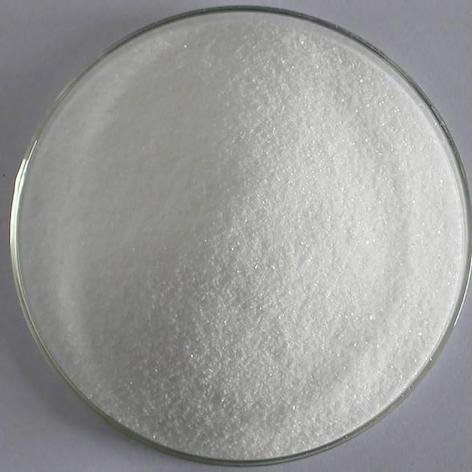
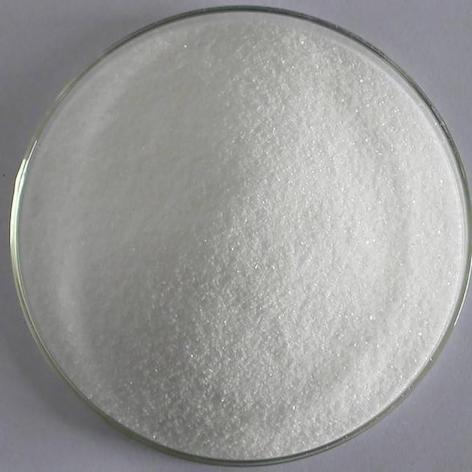
Simply put, triethylenediamine, or TEDA, is an organic compound classified as a diamine, meaning it has two amine groups. Chemically, it’s a colorless liquid with a faint ammonia-like smell, and it acts mainly as a catalyst or accelerator in chemical reactions. You could think of it as a little helper molecule that speeds up processes without getting consumed.
Industrially, TEDA is a cornerstone for producing polyurethane foams — those flexible, insulating materials found in furniture, automotive seats, and refrigerators. Its catalytic role helps the reaction between isocyanates and polyols happen smoothly and controllably, leading to better product quality and lower energy consumption.
Beyond just industry, TEDA's precise role contributes indirectly to humanitarian aspects by making affordable and efficient materials more accessible worldwide.
Triethylenediamine’s most celebrated property is its ability to accelerate urethane formation reactions. It basically lowers the activation energy needed, making production faster and more controllable. Many industrial chemists say, "without TEDA, foam production would be a sluggish nightmare."
TEDA stands up well to the moderate heat typically involved in reaction vessels. While not infinitely stable, it can safely perform in production lines without decomposing prematurely — a detail that often saves tons of rework.
Its chemical profile lets it mix with a range of polyols and isocyanates, making it adaptable to different foam densities and rigidities. This flexibility opens the door to applications from soft cushioning to high-strength insulation.
While TEDA itself is relatively non-toxic, it’s essential to understand the handling guidelines and proper ventilation, especially in large-scale manufacturing. Responsible use aligns with ISO 14000 environmental management standards, ensuring the chemical’s benefits don’t come at an ecological cost.
Triethylenediamine (TEDA) Product Specifications | ||
Property | Value | Unit |
Molecular Formula | C6H16N2 | - |
Physical State | Liquid | - |
Boiling Point | 116 - 117 | °C |
Density | 0.87 | g/cm³ |
Flash Point | 83 | °C (Closed cup) |
Mini Takeaway: TEDA’s chemical properties combine versatility with safety, making it a go-to accelerator for polyurethane & other specialty applications.
It probably won’t surprise you that the primary spectrum of triethylenediamine uses is in polyurethane foam manufacturing, which spans industries including:
· Automotive: interior upholstery and insulation
· Construction: rigid foam insulation panels
· Furniture: soft foam seating
· Packaging: protective foam inserts
Regionally, TEDA use is concentrated in industrial hubs like North America, Europe, and increasingly in Asia-Pacific, where growing manufacturing sectors rely on it for scalability. An interesting tidbit: in regions recovering from natural disasters — where quick housing and insulation solutions matter — TEDA relates indirectly by enabling faster production of foam materials used in modular buildings.
Notably, organizations in remote industrial zones have leveraged TEDA-accelerated formulations for efficient onsite foam production, cutting down logistics costs and waste.
Vendor | Purity (%) | Packaging | Typical Lead Time | Notes |
Sincere Chemicals | >99% | 200 kg drums | 2 weeks | Strong quality control |
Global Chem Supply | 98.5% | Bulk tanker | 3-4 weeks | Good for large volume orders |
ChemPro Services | >99% | 25 kg pails | 1 week | Ideal for small batches |
From a cost perspective, TEDA helps reduce production times and energy costs, which translates to savings passed down the supply chain — a rare win-win in chemical processing. But it’s not just about dollars. TEDA's use supports better product quality, which means consumer safety and trust. After all, nobody wants a fridge insulation that degrades or a foam seat that crumbles prematurely.
In terms of social value, accelerating reactions with TEDA can lower chemical waste, aligning with growing corporate social responsibility initiatives that push companies toward greener paths.
The future is interesting here. Environmental regulations press for chemicals that not only work well but have less ecological impact. Researchers are exploring bio-based polyols combined with TEDA catalysts to create more sustainable foams. Automation and digital monitoring systems increasingly control catalyst dosing, optimizing efficiency and reducing errors — it feels like chemistry is finally getting its smart tech makeover.
Additionally, as the green energy sector evolves, TEDA finds new uses in battery insulation foams and other specialized materials, tapping into next-generation tech markets.
No chemical is perfect. One challenge with TEDA is the pungent ammoniacal odor, which can pose ventilation challenges during manufacturing. Plus, precise dosing is critical — too little and the reaction drags; too much and unwanted side reactions crop up. Sophisticated dosing pumps and inline sensors have been game-changers here.
Another hurdle is supply chain volatility, especially for manufacturers relying on global imports of raw TEDA. Strategic stockpiling and diversified sourcing are becoming best practices. A lesson learned from recent disruptions in international logistics.
A: TEDA offers excellent catalytic efficiency with relatively mild toxicity, enabling fast and controlled foam formation. Its compatibility with different polyol formulations also makes it flexible compared to other amine-based catalysts.
A: Proper ventilation is essential due to its characteristic odor and potential irritation. Workers should use appropriate PPE, and storage must be in cool, dry places away from oxidizers. Following ISO and OSHA guidelines ensures safety compliance.
A: Yes, when combined with bio-based polyols and processed under sustainable conditions, TEDA supports the creation of greener polyurethane foams. The chemical itself can be part of environmentally conscious manufacturing with the right controls.
A: Most reputable suppliers offer lead times from one to four weeks depending on order size and location. For faster turnaround, smaller packaging options might be preferable, while bulk orders typically take longer to ship.
A: Although foam manufacture is dominant, TEDA also acts as a precursor or additive in pharmaceuticals, adhesives, and specialty catalysts, underscoring its versatility in chemical industries.
To sum it up, triethylenediamine isn’t simply a chemical; it’s a catalyst of innovation and efficiency across a range of industries worldwide. Its balance of efficiency, adaptability, and safety makes it a steady backbone in producing countless everyday products.
If you want to explore further, or source quality triethylenediamine for your projects, check out Sincere Chemicals — they’re a trusted partner with proven track records globally.
For inquiries about our products or pricelist,please leave to us and we will be in touch within 24 hours.