


Silhoutted Suspended Ceiling Grid Types are essential for architects seeking to bridge the gap between visual elegance and technical precision in contemporary commercial spaces. As interior design evolves, the focus has shifted from mere surface aesthetics to the complex interplay of light, shadow, and structural support.
In the current landscape of luxury residential and high-end hospitality design, the ceiling is no longer treated as an afterthought. Instead, it has become a primary canvas for expressing architectural intent. Designers are increasingly moving away from monolithic plaster ceilings toward modular systems that offer flexibility, ease of maintenance, and sophisticated geometric patterns.
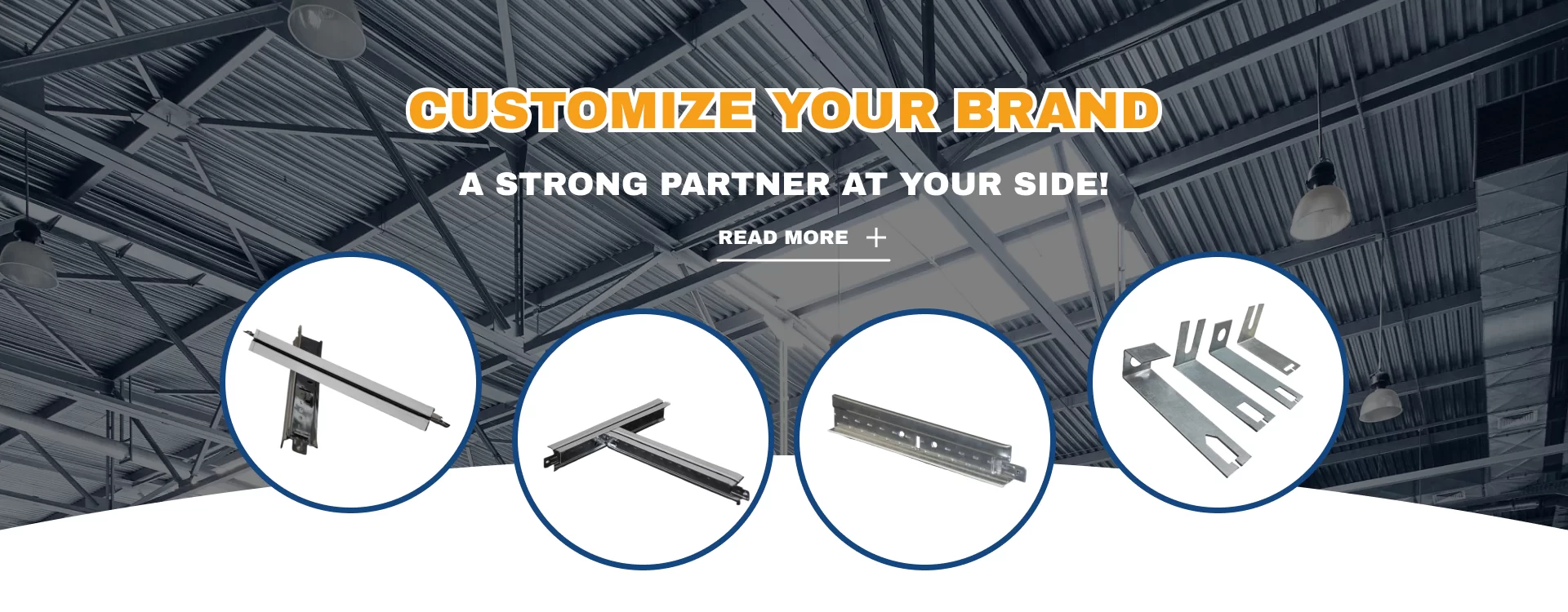
The Shift Toward Modular Minimalism
The rise of "Quiet Luxury" in interior design has prompted a demand for clean lines and hidden hardware. This movement prioritizes high-quality materials that feel substantial yet appear effortless. Modular ceiling systems allow for this precision, providing a way to integrate HVAC, lighting, and acoustic panels without compromising the visual flow of a room.
Acoustics and Light Diffusion
One of the biggest challenges in open-plan office design and large-scale retail environments is managing acoustic reverberation. A well-engineered ceiling system does more than hold up tiles; it acts as a sound management tool. By utilizing specific grid profiles, such as Suspended FUT Ceiling T Grids, designers can create depth and shadow lines that naturally diffuse sound waves and light, preventing the harsh glare often found in traditional industrial settings.
The Role of the Supply Chain in Design Execution
While the creative vision begins with the designer, the success of a project relies heavily on the reliability of the underlying material infrastructure. The precision of a light steel keel or a T-bar grid determines whether a complex geometric ceiling remains perfectly level over years of use. In large-scale developments, the ability to source consistent, high-tolerance components is what separates a premium build from a mediocre one.
"The longevity of a modern interior is dictated by the invisible elements—the framing, the grids, and the structural supports that allow aesthetic elements to thrive."
Sustainability and Future-Proofing
As global building standards lean more heavily toward sustainability, the lifecycle of interior materials has come under scrutiny. Modular systems are inherently more sustainable than traditional methods because they allow for individual component replacement rather than full-scale demolition. This "design for disassembly" approach ensures that as technology changes—such as new LED integration or updated acoustic technologies—the ceiling structure can be adapted rather than discarded.
Industry Insight: As we look toward 2025, the integration of smart materials within lightweight steel frameworks will likely redefine how we interact with our indoor environments.