


Dyed Fabric has become a cornerstone of modern furniture design, influencing everything from the rich hues of a velvet sofa to the earthy tones of a linen armchair. As homeowners and designers increasingly seek materials that combine aesthetics with durability, the textile industry has responded with innovations that bridge tradition and technology. Understanding the role of different fabrics, from rustic burlap to refined blends, is essential for anyone involved in home decor or furniture manufacturing.
The Enduring Appeal of Burlap in Home Decor
Burlap bags, traditionally associated with agricultural storage, have found a second life in the world of interior design. Their coarse, natural texture adds warmth and organic character to spaces, making them a favorite for rustic, farmhouse, and bohemian aesthetics. Designers use burlap for upholstery, throw pillows, table runners, and even wall coverings, appreciating its ability to soften modern interiors with a touch of earthy authenticity.
Beyond its visual appeal, burlap is valued for its breathability and durability. When treated properly, it can withstand daily use while maintaining its distinctive texture. This has made it a popular choice for furniture pieces that aim to blend comfort with natural style. The growing interest in sustainable materials has only amplified burlap's popularity, as consumers seek out renewable and biodegradable options for their homes.
The Three Main Types of Fabric in Furniture Design
To make informed choices in home decor, it helps to understand the three main categories of fabric: natural fibers, synthetic fibers, and blended fabrics. Each offers distinct benefits and considerations for furniture applications, from durability and maintenance to texture and environmental impact.
Natural Fibers: Cotton, Linen, and Wool
Natural fibers have been used in textiles for thousands of years. Cotton is soft, breathable, and easy to care for, making it a staple for upholstery and bedding. Linen, derived from flax, offers a crisp, lightweight feel that is ideal for warm climates and casual settings. Wool provides natural insulation and resilience, perfect for cozy throws and upholstery in cooler environments. These materials are prized for their comfort and environmental sustainability, though they may require more careful maintenance than synthetics.
Synthetic Fibers: Polyester, Nylon, and Acrylic
Synthetic fibers are engineered for performance and durability. Polyester resists wrinkling, fading, and stretching, making it a popular choice for high-traffic furniture. Nylon is exceptionally strong and abrasion-resistant, often used in outdoor and commercial settings. Acrylic mimics the softness of wool while being lighter and more colorfast. These materials are cost-effective and easy to maintain, but they lack the breathability and natural feel of organic fibers.
Blended Fabrics: The Best of Both Worlds
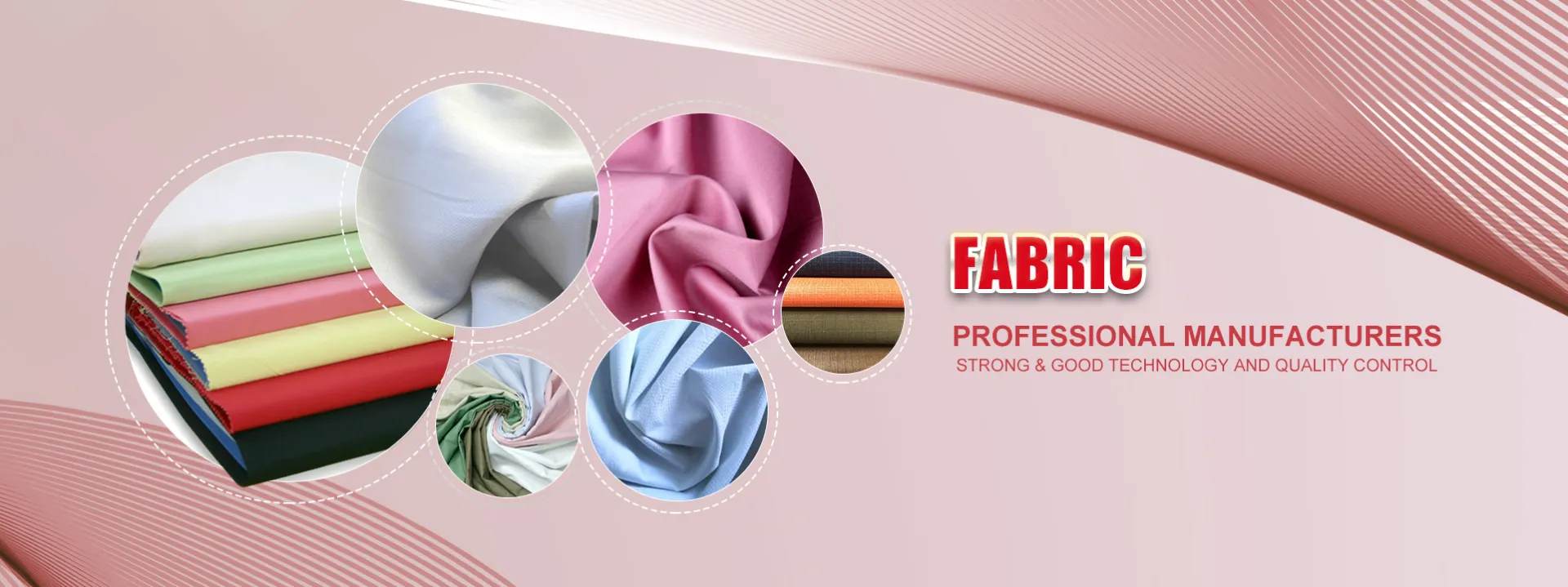
Blended fabrics combine natural and synthetic fibers to optimize performance and comfort. A cotton-polyester blend, for example, offers the softness of cotton with the wrinkle resistance of polyester. Linen-cotton blends provide a relaxed look with improved durability. These hybrid textiles are increasingly popular in furniture manufacturing, as they allow designers to achieve specific aesthetic and functional goals. For instance, polyester cotton shirting fabric is a lightweight blend that combines the breathability of cotton with the strength of polyester, making it suitable for both apparel and lightweight upholstery applications.
How Fabric Quality Impacts Furniture Longevity
The quality of fabric directly affects how furniture performs over time. High-thread-count cottons, tightly woven wools, and well-constructed blends resist pilling, fading, and wear better than their lower-quality counterparts. For furniture manufacturers, sourcing reliable textiles is critical to maintaining brand reputation and customer satisfaction. This is where expertise in textile production becomes invaluable, as experienced manufacturers bring consistency and innovation to the supply chain.
Manufacturers with decades of experience in fiber processing, dyeing, and weaving enable designers to develop custom colors for dyed fabrics and engineer blends that meet specific performance standards. This technical capability supports creative freedom without compromising on quality, ensuring that furniture pieces retain their beauty and function for years.
Sustainable Trends in Textile Sourcing
The home decor industry is increasingly prioritizing sustainability, and textiles are at the forefront of this shift. Consumers are asking where their fabrics come from, how they are produced, and what impact they have on the environment. This has led to greater interest in organic cotton, recycled polyester, and natural fibers like bamboo and hemp.
Burlap, as a natural jute fiber, fits perfectly into this eco-conscious narrative. It is biodegradable, requires minimal processing, and adds a rustic charm that aligns with modern sustainable design principles. When paired with high-quality manufacturing practices, even traditional materials like burlap can meet the performance expectations of contemporary furniture while supporting environmental goals.
Conclusion
From the texture of burlap bags to the precision of engineered blends, fabric choices define the character and longevity of furniture and home decor. Understanding the strengths of natural, synthetic, and blended textiles empowers designers and consumers alike to make selections that balance beauty, function, and sustainability. Behind these choices lies a network of textile experts whose craftsmanship and innovation continue to shape the spaces we live in, proving that the thread of quality runs through every well-made piece.